E-waste Management
Responsibly Managing E-Waste for a Greener Tomorrow
Electronic waste, or e-waste, is a term for electronic products that have become unwanted, non-functioning or obsolete, and have essentially reached the end of their useful life. According to the E-Waste Rules 2016, e waste is defined as 'electrical and electronic equipment, discarded wholly or partially as waste by the consumer or bulk consumer as well as discarded material from manufacturing, refurbishment and repair processes.' E-waste includes many valuable, recoverable materials such as aluminium, copper, gold, silver, plastics and ferrous metals. Electronic equipment can be refurbished, reused and recycled instead of being landfilled, to conserve natural resources and the energy needed to produce new electronic devices from virgin resources.
Advantages of E-waste Recycling
- E-waste contains many valuable, reclaimable materials, such as aluminum, copper, gold, silver, plastics, and ferrous metals. Electronic devices can be refurbished, reused, and recycled instead of being landfilled, conserving natural resources and the energy needed to produce new electronic devices.
- E-waste also contains toxic and hazardous materials such as mercury, lead, cadmium, beryllium, chromium, and chemical flame retardants, which have the potential to leach into our soil and water.
- Protects your surroundings – Safe recycling of old electronic devices promotes the proper management of toxic chemicals such as lead and mercury.
- Conserves natural resources – Recycling recovers valuable materials from old electronic devices that can be used to make new products. As a result, we save energy, reduce pollution, lower greenhouse gas emissions, and conserve resources by taking fewer raw materials out of the Earth.
- Helps others - Donating your old electronic devices benefits your community because it provides ready-to-use or refurbished devices to those in need. Saves landfill space - E-waste is a growing waste stream. By recycling these items, landfill space is conserved.
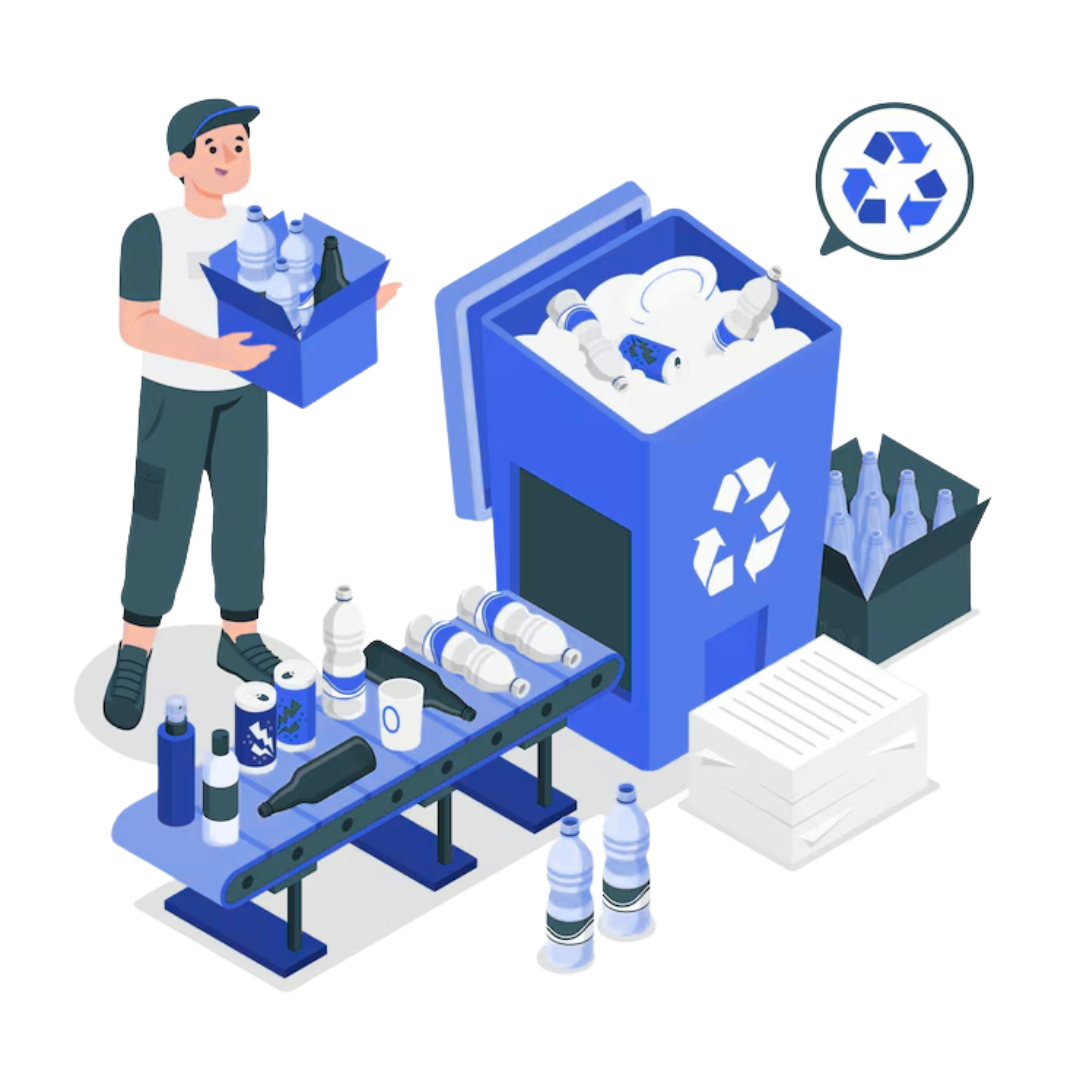
Do's of E-Waste Management
- In the catalogue provided with your product, be sure to check the operation of the devices at the end of their life.
- Make sure that only authorised recyclers repair and operate your electronic products.
- Always call our authorised e-waste collection centres/points to dispose of end-of-life products.
- Always drop off your used electronic products, batteries or any accessories at your nearest authorised e-waste collection centres/points when their life has ended.
- Always separate the battery from the product, and ensure that the glass surface is protected against breakage.
Dont's of E-Waste Management
- Do not dismantle your electronics products yourself.
- Do not throw electronics products in dustbins marked "Do not dispose".
- Do not give e-waste to informal and unorganised sectors such as local scrap/waste pickers.
- Do not throw your product in dustbins with municipal waste as they eventually end up in landfills.